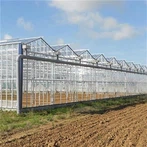
Growing tomatoes in a greenhouse offers numerous advantages over outdoor cultivation, including extended growing seasons, better pest control, and optimal environmental conditions. From the initial seeding to the final, vine-ripened harvest, the journey of a greenhouse tomato is a testament to the power of controlled environment agriculture. But one of the most common questions growers ask is: how long does it take for tomatoes to grow in a greenhouse?
Timeline Overview
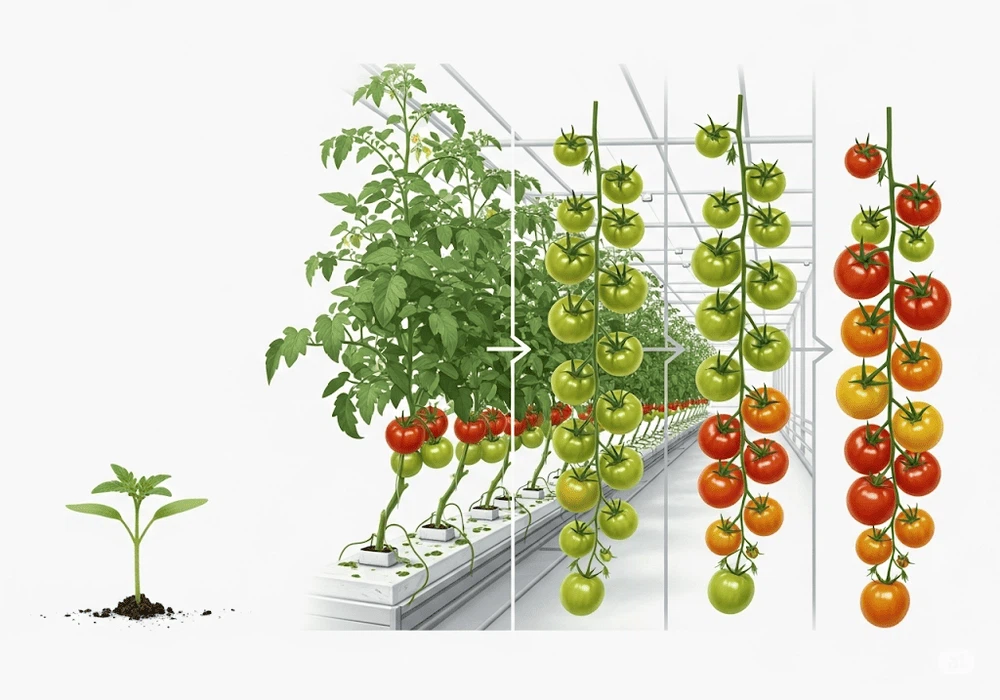
In a well-managed greenhouse, tomatoes typically take 65 to 85 days from transplanting seedlings to harvest the first ripe fruits. The total time to cultivate a successful tomato crop in a greenhouse is not a one-size-fits-all answer. It is influenced by the chosen tomato variety, the management of environmental conditions, and the specific cultivation practices employed.
The Tomato Growth Journey: A Stage-by-Stage Breakdown
| Stage | Time (Approx.) | Description |
|---|---|---|
| Germination | 5–10 days | Seed sprouts in a seed tray or plug |
| Seedling | 3–4 weeks | Transplanted to growing system |
| Vegetative Growth | 3–4 weeks | Strong leaf and root development |
| Flowering & Fruiting | 4–6 weeks | Flowers pollinated, fruits begin to mature |
| Harvest | After 60–85 days | Fruits reach optimal ripeness for picking |
Factors Affecting Growth Timeline
-
Tomato Variety
The genetic makeup of the tomato plant is a primary determinant of its growth speed. Determinate (bush) varieties are bred to grow to a certain size, set fruit, and then concentrate their energy on ripening that crop, leading to a more concentrated harvest period. Indeterminate (vining) varieties, popular in commercial greenhouses, will continue to grow and produce fruit throughout the season, offering a longer but more staggered harvest.
-
Environmental Controls
Temperature management: Maintaining consistent day/night temperatures accelerates growth
Humidity control: 60-70% relative humidity promotes healthy development
CO2 supplementation: Enhanced CO2 levels (800-1200 ppm) can reduce growing time by 10-15%
Artificial lighting: LED grow lights extend photoperiods and speed development
Optimizing for a Faster Harvest
-
Efficient Pollination
The use of commercially managed bumblebee hives within the greenhouse is a highly effective method to ensure thorough and timely pollination, which is crucial for a good fruit set.
-
Climate Control Strategies
Maintaining stable environmental conditions is crucial for consistent production timelines. Temperature fluctuations can delay fruit development by 1-2 weeks, while inadequate ventilation may lead to disease issues that further extend growing periods.
-
Ripening Acceleration
In the final stages, the application of ethylene, a natural plant hormone, can be used to promote uniform ripening of the fruit. This is particularly useful for ensuring a consistent product for market.
Conclusion
Tomatoes can thrive in greenhouses and produce consistent yields when grown under the right conditions. Depending on your system and tomato variety, it typically takes 60 to 85 days to enjoy your first harvest after transplanting.
Looking to build a commercial greenhouse tomato project?
📩 Contact our technical team for custom greenhouse design and growing system integration.