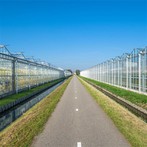
Smart greenhouse is an advanced agricultural system that integrates various technologies to optimize plant growth, increase efficiency, and reduce resource consumption. Unlike traditional greenhouses that rely primarily on manual controls or basic automation systems, smart greenhouses use a combination of IoT (Internet of Things), Automated Systems, and AI (Artificial Intelligence) technologies to create ideal growing conditions for crops.

3 New Key Technologies In Smart Greenhouses 2025:
1. IoT and Sensor
IoT sensors track real-time data on environmental parameters (e.g. soil moisture, temperature, nutrient levels, and air quality).
This data-driven approach ensures optimal plant growing conditions, resulting in higher yields and reduced water and fertilizer use.
Explore companies like Henan Yutuo Agricultural Science and Technology Co., LTD. that have cutting-edge technology.

2. Automated Systems
Automated systems handle tasks such as irrigation, nutrient delivery, climate control, and lighting, reducing labor costs and minimizing human error.
For instance, climate control technologies can innovations in heating, cooling, and shading technologies maintain optimal internal climates.
PS: Smart greenhouse suppliers often need to meet specific quality and safety standards. ISO 9001 marking can be good indicators of quality assurance.

3. Artificial Intelligence and Machine Learning
AI algorithms analyze data from sensors to predict plant needs, optimize resource use, and detect early signs of disease or pests.
Machine learning models can predict weather conditions, pest outbreaks, and other variables, allowing farmers to take proactive measures.
New Market Challenges:
High initial investment costs and the complexity of integrating advanced technologies into existing agricultural systems can be prohibitive for small and medium-sized farmers.
In addition, the technical expertise required to manage and maintain these systems poses a barrier to widespread adoption.
conclusion
Together, these technologies promote more sustainable and efficient agricultural practices, addressing challenges such as resource scarcity, climate change, and the need to increase food production.